The Skyrocketing Cost of Natural Gas Power for AI Data Centers: A Looming Crisis for Tech Giants

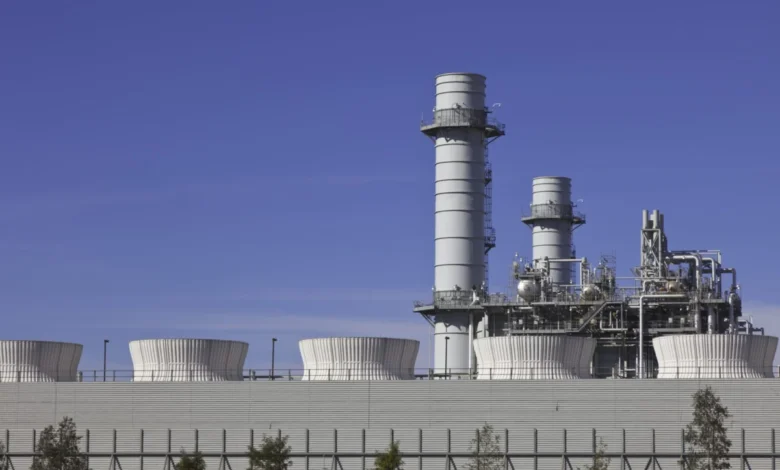
The insatiable hunger for electricity, fueled by the rapid expansion of artificial intelligence and the burgeoning data center industry, is forcing major tech companies like Microsoft and Meta to re-evaluate their energy strategies. Once enthusiastic about natural gas as a seemingly abundant and cost-effective solution to power their massive computing facilities, these titans of technology are now confronting a stark reality: the cost of building new natural gas-fired power plants has surged dramatically, presenting a significant financial and logistical challenge. This escalating expense, coupled with increasing public scrutiny and a growing demand for sustainable energy alternatives, paints a complex picture of the future of data center energy infrastructure.
The Natural Gas Boom and Its Unforeseen Costs
For years, the allure of natural gas has been its perceived reliability and relatively low price, especially in the United States. This made it an attractive option for tech companies seeking to secure a stable and substantial power supply for their ever-expanding data centers. The Trump administration’s directive for data center operators to "bring their own power" further incentivized direct investment in generation facilities, with natural gas emerging as a popular choice. However, a recent report from BloombergNEF has revealed a significant, and largely unanticipated, escalation in the financial burden associated with this strategy.
According to the BloombergNEF analysis, the cost to construct a new combined cycle gas turbine (CCGT) power plant has experienced a staggering 66% increase over the past two years. This surge has transformed the investment landscape for these critical energy infrastructure projects. In 2023, the average cost for building such a facility hovered below $1,500 per kilowatt of generating capacity. By last year, this figure had climbed to an imposing $2,157 per kilowatt. This dramatic price hike means that what was once a predictable investment is now subject to considerable financial strain.
Beyond the direct construction costs, the timeline for bringing these power plants online has also been significantly extended. The report indicates a 23% increase in the time required to complete a new facility. This elongation of project timelines not only delays the much-needed power supply but also introduces additional financial risks and uncertainties.
The Underlying Drivers of Escalating Costs
Several factors are contributing to this steep rise in the cost of natural gas power plants. One of the primary drivers is the intense demand for gas turbines, the core component of CCGT facilities. The global scramble for these specialized pieces of equipment has led to a significant supply-demand imbalance. By the end of this year, prices for gas turbines are projected to have soared by an astonishing 195% compared to 2019 levels, as reported by Wood Mackenzie.
The manufacturing process for gas turbines is inherently complex and does not lend itself to rapid scaling. This specialized production technique means that increasing output to meet surging demand is a slow and arduous process. Consequently, manufacturers are facing extended waitlists, with orders now stretching into the early 2030s. This bottleneck in turbine availability is a critical constraint, significantly impacting the pace at which new natural gas power plants can be commissioned.
While natural gas prices themselves have remained relatively stable in the U.S., even amidst geopolitical tensions such as the ongoing conflict in Iran, the cost of the infrastructure required to harness that gas has become prohibitively expensive. This disconnect between fuel cost and infrastructure cost is a crucial element of the current energy dilemma for tech companies.
The Data Center Demand Explosion
The escalating costs of natural gas power plants are inextricably linked to the exponential growth in electricity demand driven by data centers. These facilities, the backbone of cloud computing, AI development, and vast digital services, are consuming electricity at an unprecedented rate. Projections from various industry analyses paint a stark picture of this trend. New data center additions are expected to triple current electricity demand, pushing it from approximately 40 gigawatts today to a staggering 106 gigawatts by 2035.

This surge is not merely a continuation of past growth; it is being amplified by the scale and capabilities of new data centers. Historically, a significant portion of data center electricity consumption was met by grid-connected facilities, often supported by power purchase agreements (PPAs) for renewable sources like wind, solar, and battery storage. However, the sheer magnitude of energy required by modern AI workloads and the increasing size of data center facilities are challenging these established models.
The report highlights that currently, only about 10% of data center facilities are 50 megawatts or larger. However, over the next decade, the average data center is projected to exceed 100 megawatts. This substantial increase in individual facility size demands a corresponding increase in dedicated and reliable power generation.
Public Scrutiny and the Search for Alternatives
The increasing reliance on natural gas power plants for data centers is not occurring in a vacuum. It is happening against a backdrop of growing public concern and opposition to the environmental impact and resource demands of data centers. The energy intensity of these facilities, coupled with the emissions associated with natural gas combustion, has fueled a backlash among the general public. Utilities, which often bear the brunt of new generation costs, tend to pass these expenses onto consumers, further exacerbating public unease.
This growing public animus, alongside the rising costs of natural gas infrastructure, is prompting a renewed exploration of alternative energy solutions. While tech companies have historically favored PPAs for renewables, the current energy landscape is forcing a more dynamic approach.
Google’s Contrarian Approach: Renewables and Long-Duration Storage
Not all major tech players are doubling down on natural gas. Google, for instance, has begun to chart a different course, focusing on a strategy that emphasizes renewables paired with advanced energy storage solutions. The company is reportedly exploring the integration of long-duration energy storage technologies, such as Form Energy’s iron-air batteries. These innovative batteries are designed to provide electricity for extended periods, potentially up to 100 hours, offering a more consistent and reliable power source than intermittent renewables alone.
This approach stands in contrast to the rapid deployment of natural gas plants. Unlike the soaring costs associated with gas turbines, solar panels and battery storage technologies have seen a consistent trend of decreasing costs over time. This makes them an increasingly attractive and economically viable alternative for powering data centers, especially when coupled with advancements in grid-scale storage. The decreasing levelized cost of energy (LCOE) for solar PV combined with battery storage, as tracked by the International Energy Agency (IEA), further underscores this economic advantage.
The Broader Implications and Future Outlook
The current predicament of tech giants grappling with the escalating costs of natural gas power plants carries significant implications for the future of digital infrastructure and the energy sector.
- Financial Strain on Tech Companies: The 66% cost increase for CCGT plants and the 195% spike in gas turbine prices represent a substantial financial burden for companies like Microsoft and Meta. This could impact their profitability, investment in other areas, and potentially lead to increased costs for consumers of their services.
- Impact on AI Development: The availability and cost of electricity are fundamental to the growth of AI. If the cost of powering data centers becomes excessively high, it could slow down the pace of AI development and deployment, or shift investment towards regions with more affordable and stable energy supplies.
- Energy Transition Dynamics: The challenges faced by natural gas infrastructure could accelerate the adoption of renewable energy sources and advanced storage technologies. This could push the energy sector towards a faster transition away from fossil fuels, aligning with global climate goals.
- Grid Stability and Reliability: The increasing demand from data centers places significant stress on existing electrical grids. The choice of energy generation technology has direct implications for grid stability and the reliability of power supply for all consumers.
- Public Perception and Policy: The environmental impact and cost of data center energy consumption will continue to be a subject of public and policy scrutiny. Companies that can demonstrate a commitment to sustainable and cost-effective energy solutions are likely to fare better in the long run.
The scramble for natural gas power plants, once seen as a pragmatic solution, has revealed underlying vulnerabilities in the supply chain and a rapidly evolving cost landscape. As the demand for digital services continues to soar, driven by AI and other innovations, the energy sector faces a critical juncture. The choices made today regarding data center power generation will have long-lasting consequences for the environment, the economy, and the future of technology itself. The industry’s ability to innovate and adapt, embracing cleaner and more cost-effective energy solutions, will be paramount in navigating this complex and challenging future.
Related posts: